



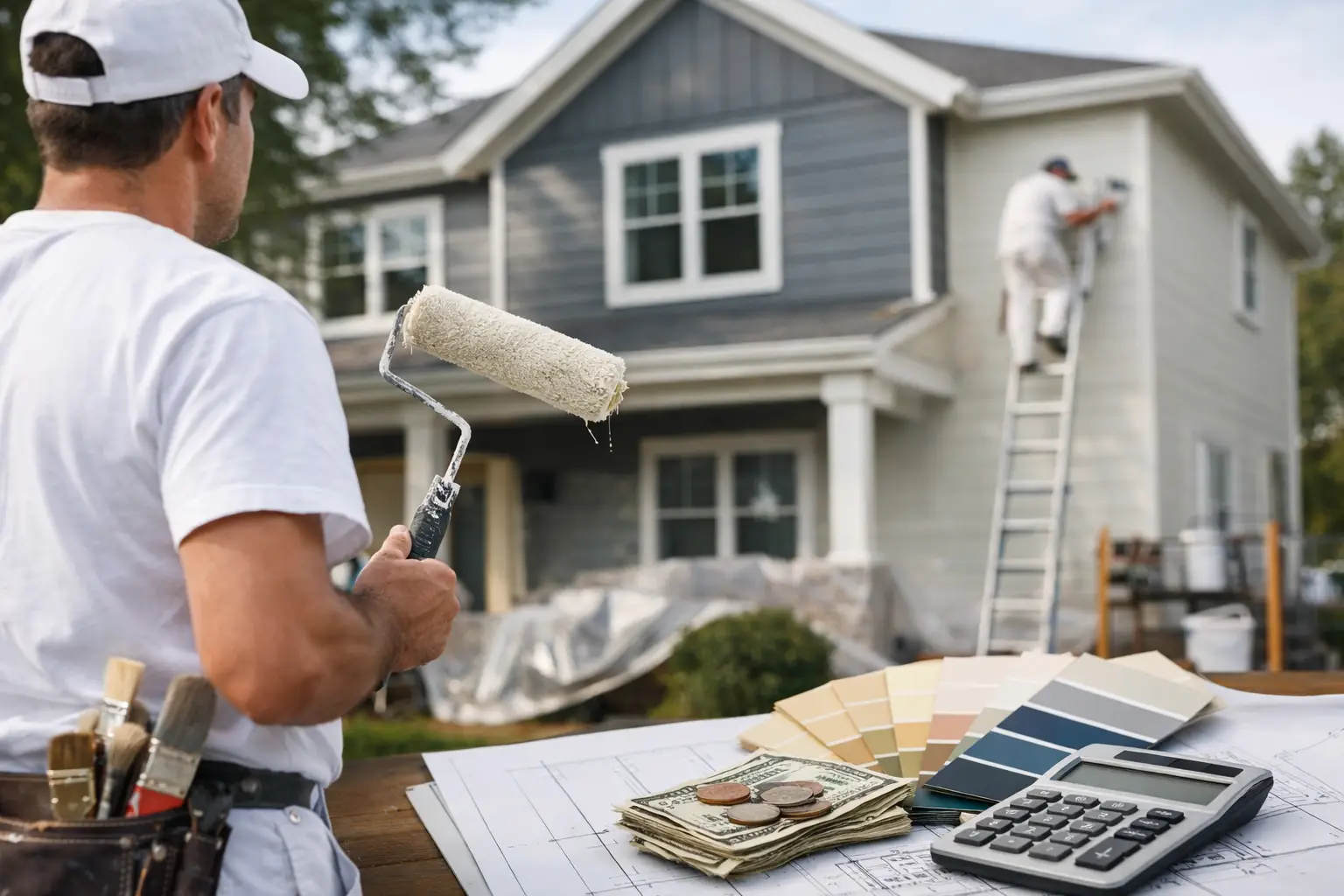
A fresh exterior does more than make a home look cared for. It helps protect siding, stucco, trim, and other exposed surfaces from sun, moisture, and everyday wear. Exterior house painting cost can vary widely because no two homes have the same condition, access, repairs, or coating needs. A thoughtful estimate should reflect the work required to make the paint last, not simply the number of gallons being applied.
For homeowners in North San Diego County and nearby communities, the strongest value usually comes from a project that addresses the causes of paint failure before new color goes on. That may mean washing away chalking, repairing cracked stucco, sealing exposed wood, or priming areas that need added protection. Those steps affect the price, but they also affect whether the finish looks good for years rather than peeling early.
What Is Included in Exterior House Painting Cost?
Professional exterior painting is a process, not just a paint application. A clear estimate should explain which surfaces will be painted, what preparation is included, what repairs are anticipated, which materials will be used, and how the property will be protected and cleaned up.
The size of the home matters, but square footage alone does not tell the whole story. A one-story ranch home with wide open walls may require less labor than a smaller two-story home with high gables, detailed trim, balconies, shutters, and limited access around the property. Paintable surface area, rather than indoor living area, is the more useful measurement.
The number of colors also affects the scope. Painting body, trim, fascia, doors, shutters, and decorative accents in separate colors requires more cutting-in, masking, setup, and cleanup. That does not make a multi-color scheme a poor choice. It simply deserves to be priced honestly.
Surface Preparation Sets the Foundation
Preparation is often the largest difference between a low initial quote and a durable painting job. Exterior surfaces collect dirt, mildew, cobwebs, loose paint, oxidation, and airborne residue. Power washing or careful hand cleaning gives primers and finish coats a clean surface to grip.
After cleaning, a professional crew looks for peeling paint, failed caulking, open joints, hairline stucco cracks, dry rot, damaged trim, and bare areas. Loose coatings need to be scraped and sanded. Cracks and gaps need appropriate repair and sealant. Bare wood or stained areas may need primer before finish paint is applied.
These tasks take time because they cannot be rushed without sacrificing the result. A coat of premium paint cannot correct failing wood, unstable old paint, or a crack that was never properly prepared. When comparing estimates, ask how the contractor handles these conditions and whether visible repairs are included, excluded, or priced as needed after inspection.
Materials Affect Performance, Not Just Color
Quality exterior paint and primers cost more than entry-level products, but they can provide better coverage, color retention, flexibility, and resistance to weather. The right product also depends on the surface. Stucco, wood, fiber cement, metal, and previously painted trim may each call for a different coating system.
California homes face strong UV exposure, temperature shifts, and, in some areas, moisture and wind-driven dust. A paint selection should be based on the home’s surfaces and exposure, not only the desired sheen or color. Dark colors can create a striking look, for example, but they may absorb more heat and show fading or surface movement sooner on certain materials.
A detailed estimate should identify the paint quality level and the planned number of coats. In some cases, major color changes, porous surfaces, repairs, or weathered stucco require additional primer or finish coverage. That is a practical investment in a uniform appearance and stronger protection.
Exterior House Painting Cost Factors That Change the Estimate
An on-site visit gives a contractor the information needed to provide a dependable price. Photos and online measurements can be useful for an early conversation, but they do not always reveal peeling areas, access concerns, deteriorated trim, or the condition of previous coatings.
Height and access are major considerations. Two-story walls, steep grades, narrow side yards, retaining walls, landscaping, and rooflines can require ladders, scaffolding, additional safety measures, and more setup time. Homes with extensive eaves or detailed architectural features also require careful brushwork and masking.
Repairs can change the scope as well. Minor caulking and patching are common parts of preparation. More substantial work, such as replacing rotten fascia boards, repairing damaged siding, addressing recurring stucco cracks, or restoring weathered wood, may need to be separately identified. This is not a sign that the contractor is being difficult. It is a sign that the home’s condition is being addressed rather than covered up.
Timing can matter, too. Exterior coatings need suitable temperature and moisture conditions to cure properly. Professional painters plan around weather rather than forcing a coating onto a surface that is damp, excessively hot, or otherwise unsuitable. A realistic schedule protects the finished work.
How to Compare Painting Estimates Fairly
The lowest estimate can be tempting, particularly when several bids appear to describe the same project. But exterior painting proposals are only comparable when they include the same preparation, repair allowances, products, coats, and scope of work.
Read past the bottom-line number. One contractor may include power washing, scraping, spot priming, caulking, two finish coats, and cleanup, while another may be pricing a quicker application with limited preparation. Both may be called exterior painting, but they are not the same service.
A useful estimate should answer practical questions: Which areas are included? Are garage doors, gates, fences, shutters, fascia, and trim part of the price? How will landscaping, windows, walkways, and outdoor furniture be protected? What happens if hidden wood damage or additional repairs are found? What paint products are planned? How long will the project take?
It is also reasonable to verify that the contractor is licensed and insured. Exterior work involves ladders, property protection, materials, and employees working around your home. Those details matter when choosing who will be responsible for the job.
Where Homeowners Can Control the Budget
There are sensible ways to manage cost without cutting out the work that helps paint perform. Keeping a similar color family can reduce the need for extra coats in some situations. Completing non-specialty tasks before the crew arrives, such as moving patio furniture or trimming vegetation away from walls, can also make access easier. A contractor can tell you what preparation is helpful and what should be left to the painting team.
It may also be possible to phase work. If a home has sound main walls but failing fascia, trim, or a weather-exposed elevation, addressing the most vulnerable surfaces first can be a practical short-term plan. The trade-off is that a phased approach may involve additional mobilization and setup later, so it is worth discussing the long-term cost with the contractor.
Skipping washing, repair, primer, or adequate coating coverage is usually not true savings. Those are the steps that help prevent premature peeling, uneven sheen, visible patching, and moisture intrusion around trim and joints.
Why a Detailed On-Site Estimate Matters
A written estimate gives homeowners a clearer path forward. It creates shared expectations about color selections, preparation, repairs, materials, schedule, and the final cleanup. It also gives the contractor an opportunity to explain recommendations in plain language before work begins.
At The Painter Man, exterior projects are evaluated in person so the team can see the surfaces, identify preparation needs, and provide a project-specific scope. With more than 40 years of local experience, the focus remains on organized work, respectful service, and finishes that protect the property as well as improve its appearance.
The right exterior paint project should leave more than a fresh color behind. It should leave you confident that the surfaces were prepared carefully, the details were handled responsibly, and your home is ready to face the seasons ahead.
Leave a Reply